Honey sits in pantries around the world, and anyone who has kept a jar for a while has probably noticed something interesting happening to it. That smooth, pourable golden liquid sometimes transforms into a thick, grainy substance that barely moves. This natural process confuses many people who wonder if their organic honey has gone bad or if something is wrong with it. The truth is actually fascinating and has everything to do with the natural composition of real honey.
Understanding why honey changes texture helps consumers appreciate this amazing natural product even more. The answer involves some simple science that explains a lot about honey quality.
Does Organic Raw Honey Stay Liquid or Turn Solid?
Organic raw honey can be both liquid and solid because it naturally crystallizes over time due to its sugar composition, and this transformation is actually a sign of pure, unprocessed honey rather than a quality defect.
Factors:
The state of honey depends on several factors, including sugar ratios, temperature, and how long it has been stored. Fresh honey typically pours easily, but given enough time, most varieties will eventually crystallize into a thicker, more solid form.
Understanding Honey Crystallization
Crystallization is a completely natural process that happens to almost all real honey. The science behind it involves the sugars naturally present in honey and how they interact over time.
The Sugar Science
Honey contains two main sugars:
- Glucose: Tends to crystallize and form solid granules
- Fructose: Stays liquid and resists crystallization
The ratio between these two sugars determines how quickly honey crystallizes. Varieties with higher glucose content solidify faster, while those with more fructose stay liquid longer. This ratio varies significantly depending on which flowers bees visited to collect nectar.
What Triggers Crystallization
Several factors speed up or slow down the crystallization process. Temperature plays a huge role, with honey crystallizing fastest between 50-59°F. Tiny particles in raw honey, like pollen grains and beeswax bits, provide surfaces where crystals begin forming.
| Factor | Effect on Crystallization |
| High glucose content | Speeds up crystallization |
| Cold temperatures | Accelerates crystal formation |
| Pollen particles | Provides crystallization seeds |
| High fructose content | Slows crystallization |
| Warm storage | Delays crystal formation |
Why Raw Honey Behaves Differently
Raw honey and processed honey behave quite differently when it comes to crystallization. Understanding these differences helps explain why organic honey from quality sources may crystallize faster than supermarket varieties.
Raw Honey Characteristics
Raw honey comes straight from the hive with minimal processing. Beekeepers strain out large debris but leave the good stuff intact, including pollen, enzymes, and beneficial compounds. These natural particles actually encourage crystallization.
Signs of quality raw honey include:
- Natural cloudiness: Pollen and particles remain suspended
- Rich aroma: Floral scents from original nectar sources
- Complex flavor: Taste varies based on flower sources
- Crystallization tendency: Eventually turns solid naturally
Processed Honey Differences
Commercial honey undergoes filtering and pasteurization that removes particles and destroys enzymes. This processing creates clear, shelf-stable honey that stays liquid much longer. However, it also strips away many beneficial properties that make raw honey special.
The liquid consistency of processed honey comes at a cost. Those missing particles and enzymes represent lost nutritional value and flavor complexity that raw honey retains.
Honey Varieties and Their Textures
Different honey types crystallize at dramatically different rates based on their floral sources. Some stay liquid for years while others solidify within weeks of harvest.
Fast-Crystallizing Varieties
Certain honeys become solid quickly due to high glucose ratios:
- Clover Honey: Very common, crystallizes within months
- Alfalfa Honey: High glucose creates rapid crystallization
- Cotton Honey: Solidifies quickly after harvest
- Dandelion Honey: Known for fast crystal formation
Slow-Crystallizing Varieties
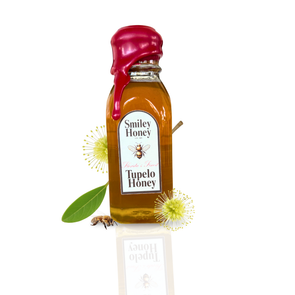
Other honey types resist crystallization thanks to higher fructose content. Tupelo honey stands out as particularly special in this category. Anyone searching for Tupelo Honey For Sale specifically wants this variety because it can stay liquid indefinitely under proper storage conditions.
Acacia honey also remains pourable for extended periods. Sage honey and black locust honey share similar slow-crystallizing properties that keep them smooth and liquid.
Is Crystallized Honey Still Good?
Many people throw away crystallized honey, thinking it has spoiled. This wastes perfectly good honey that remains completely safe and nutritious.
Quality Remains Intact
Crystallization changes texture but not quality. All the beneficial enzymes, antioxidants, and nutrients present in liquid honey remain after crystallization. The flavor stays the same, and the honey remains perfectly safe to eat indefinitely.
Crystallized honey actually offers some advantages:
- Easier spreading: Thick texture works well on toast and biscuits
- Less messy: Stays where you put it without dripping
- Portion control: Easier to scoop exact amounts needed
- Authenticity indicator: Proves honey is real and unprocessed
Returning Honey to Liquid State
Anyone preferring liquid honey can easily reverse crystallization with gentle warming. Place the jar in warm water around 100-110°F and wait patiently. The crystals will gradually dissolve, returning honey to its pourable state.
Avoid these common mistakes when decrystallizing:
- Microwave heating: Creates hot spots that damage beneficial compounds
- Boiling water: Excessive heat destroys enzymes and nutrients
- Direct heat: Placing jars on stovetops risks overheating
- Repeated heating: Each cycle degrades honey quality slightly
Storage Tips for Desired Consistency
How honey gets stored significantly impacts whether it stays liquid or crystallizes. Simple adjustments help maintain the preferred texture longer.
Keeping Honey Liquid
Store honey at room temperature or slightly warmer to delay crystallization. Kitchen cabinets away from exterior walls work well. Avoid refrigeration since cold temperatures accelerate crystal formation dramatically.
Choosing slow-crystallizing varieties also helps. Those looking for Tupelo Honey For Sale often specifically want honey that stays liquid without any special treatment or heating.
Encouraging Crystallization
Some people actually prefer crystallized honey for its spreadable texture. Storing honey in cooler locations speeds up the process. Adding a small amount of already-crystallized honey to liquid honey seeds causes crystal formation throughout the jar.
Creamed honey takes this further through controlled crystallization. Producers encourage very fine crystals that create a smooth, butter-like texture rather than grainy solidification.
Reading Honey Labels
Understanding labels helps consumers know what to expect from texture and quality perspectives.
What “Raw” Really Means
Raw honey has not been heated above natural hive temperatures or finely filtered. This preserves pollen, enzymes, and other beneficial compounds. Raw honey crystallizes more readily than processed alternatives.
Organic Certification
Organic honey comes from beekeepers following strict standards about hive management and foraging areas. Bees must collect nectar from organically managed flowers without exposure to prohibited pesticides. Organic certification addresses production methods rather than crystallization behavior.
Single-Source vs. Blended
Single-source honeys come from specific flower types, giving predictable crystallization patterns. Blended honeys mix multiple varieties, creating less predictable texture changes over time.
| Label Term | Meaning | Crystallization Impact |
| Raw | Unheated, unfiltered | Faster crystallization |
| Pure | 100% honey, no additives | Varies by processing |
| Organic | Certified production methods | Varies by flower source |
| Creamed | Controlled crystallization | Already solidified |
The Crystallization Timeline
Fresh honey from the hive starts liquid, but changes begin almost immediately. Understanding typical timelines helps set expectations.
First Few Weeks
Newly harvested honey remains liquid and pourable. Glucose molecules begin organizing, but visible changes have not started yet. This is when most honey gets bottled and sold.
One to Three Months
Many honey varieties start showing crystallization signs. Cloudiness appears first, followed by thickening near the bottom of containers. Fast-crystallizing types may already be quite solid.
Six Months and Beyond
Most raw honey has crystallized significantly at this point. Slow-crystallizing varieties like tupelo may still pour freely. The process continues gradually until the honey reaches a stable crystallized state.
Common Myths About Honey Texture
Several misconceptions about honey crystallization persist despite being completely false.
Myth: Crystallized Honey Has Gone Bad
Honey never spoils when stored properly. Crystallization indicates nothing about freshness or safety. Ancient honey found in Egyptian tombs remained edible after thousands of years.
Myth: Liquid Honey Is Always Better
Personal preference determines which texture works best. Many honey lovers prefer crystallized honey for spreading and cooking. Neither form is superior nutritionally.
Myth: Real Honey Never Crystallizes
Actually, the opposite is closer to the truth. Almost all real honey crystallizes eventually. Honey that never solidifies may be heavily processed or adulterated with corn syrup.
Conclusion
Organic raw honey naturally exists in both liquid and solid states depending on sugar composition, storage conditions, and time since harvest. Crystallization is a completely normal process indicating authentic, unprocessed honey rather than any quality problem. Understanding these natural changes helps honey lovers appreciate and properly store this remarkable natural sweetener.
If you’re in search, Smiley Honey brings premium raw honey varieties directly to customers who appreciate authentic, pure products. Every jar contains carefully sourced honey that retains all the natural goodness bees intended. With a commitment to quality and customer satisfaction, this brand has become a trusted name for honey enthusiasts seeking the real thing.
FAQs
1. Is organic raw honey supposed to be liquid or solid?
Organic raw honey can be sold liquid or crystallized; both states are natural, and the texture mainly depends on time, temperature, and floral source rather than authenticity or quality.
2. Why did my organic raw honey turn solid?
Your organic raw honey turned solid due to natural crystallization, where glucose forms crystals over time, especially in cooler storage, without meaning the honey is spoiled or adulterated.
3. Does crystallized organic raw honey mean it’s gone bad?
Crystallized organic raw honey has not gone bad; crystallization is a natural process in real, minimally processed honey, and it remains safe to eat and nutritionally beneficial.
4. Can organic raw honey stay liquid permanently?
Organic raw honey rarely stays liquid forever; most real raw honeys eventually crystallize, though varieties higher in fructose or stored warmer may remain liquid much longer before solidifying.
5. How can I make solid organic raw honey liquid again?
To liquefy solid organic raw honey, place the jar in a warm water bath and gently heat and stir it, avoiding high temperatures that can damage flavor and beneficial compounds.
6. Is liquid organic raw honey less “real” than solid honey?
Liquid organic raw honey is no less real; fresh raw honey is naturally liquid and only thickens as it crystallizes, so both liquid and solid forms can be genuinely raw and organic.