Key Takeaways:
-
Mobility solutions enhance flexibility and efficiency in modern work environments.
-
Technologies such as AI and IoT are pivotal in creating adaptive, personalized workspaces.
-
Implementing mobility solutions can lead to significant productivity gains and cost savings.
The Shift Towards Flexible Workspaces
The workspace evolution is changing the way modern organizations operate, manage, and plan for growth. Traditional static offices are being replaced with environments that value flexibility and adaptability. This change enables businesses to cater to multiple work styles, improve employee well-being, and maximize efficiency. Essential tools such as leveling casters play a vital role in this shift, as they make workstations and equipment easier to move and reconfigure, which is critical for supporting dynamic work environments.
Today’s organizations must address rapidly shifting demands from both clients and employees. The integration of mobile material handling solutions, IoT sensors, and artificial intelligence ensures workspaces remain flexible and ready for change. These advances fuel a workplace culture that values innovation, enables seamless transitions between collaborative sessions and focused work, and supports hybrid schedules. Whether it is for startups adapting their office footprint or enterprises optimizing large campuses, mobility is the key to driving productivity and engagement.
This shift is not just about aesthetics or preference; it’s a fundamental answer to new challenges in talent retention and operational resilience. As remote work and diverse project teams become the norm for many businesses, mobility solutions allow organizations to remain competitive. They ensure that technology, architecture, and workflows can evolve alongside business needs rather than be limited by the original constraints of the office space.
Key Mobility Solutions Enhancing Workspaces
-
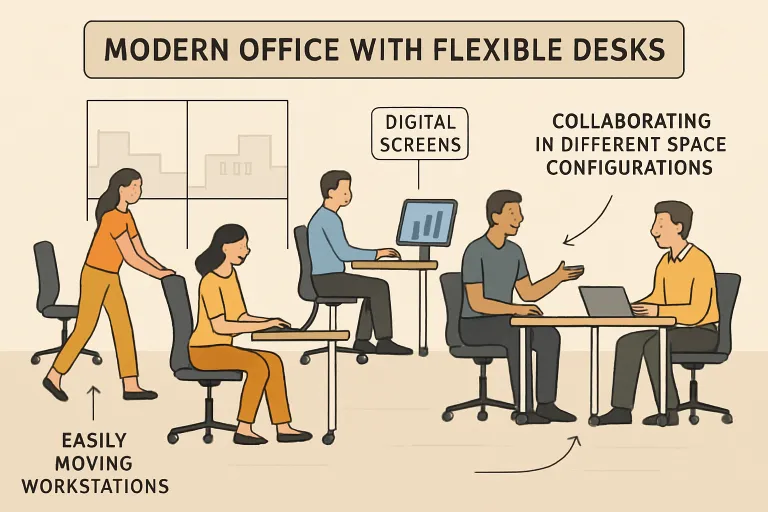
Mobile Material Handling Equipment: The adoption of mobile workstations, adjustable desks, and portable storage solutions is making it easier for businesses to reshape environments on demand. Features such as sturdy wheels, adjustable height, and easy locking mechanisms ensure safety and user comfort while optimizing workflow efficiency. These tools not only enhance adaptability but also enable quick responses to project needs and fluctuations in team size.
-
Smart Mobility and Connected Systems: The integration of Internet of Things (IoT) devices and artificial intelligence adds another layer of flexibility. Through real-time data collection and automated analysis, businesses can track how frequently meeting rooms are used, understand workspace occupancy trends, and manage energy consumption. These connected platforms streamline facilities management, boost productivity, and contribute to better decision-making over time.
Implementing Mobility Solutions Strategically
To achieve the full potential of mobility solutions, business leaders must have a structured approach to integration. First, it is crucial to assess the current workspace and identify pain points or opportunities for improvement. This process should involve gathering input from employees, facilities managers, and technology partners to address the unique needs of each team and department.
-
Assess current workspace needs and identify areas for improvement. Analyze workspace usage data and survey employees to better understand the tools and configurations they need to succeed.
-
Invest in technologies that align with organizational goals and employee preferences. For many organizations, this may mean implementing modular furniture, AI-powered scheduling software, and networked sensors to optimize every square foot of office space.
-
Provide training and support to ensure smooth adoption of new systems. Change management is vital when introducing mobile equipment or digital management platforms, as employees must feel confident in using new tools and workflows.
Measuring the impact of these changes is just as important as implementation. Regularly tracking productivity, space utilization, and employee feedback can highlight successes and uncover areas for further improvement. It also helps organizations adjust their mobility strategies in real time and adapt to emerging trends in workspace design and workforce expectations.
Final Thoughts
Modern workspaces must be agile, efficient, and employee-centric to keep up with evolving business needs and attract top talent. Mobility solutions, ranging from leveling casters to smart building technologies, form the foundation for creating future-ready environments that can adapt to organizational demands. By prioritizing both strategic fit and employee engagement, organizations can unlock new levels of productivity, collaboration, and workplace satisfaction. As remote and flexible work arrangements continue to rise, the ability to adapt workspace on the fly will define the most successful and resilient companies in the years ahead.