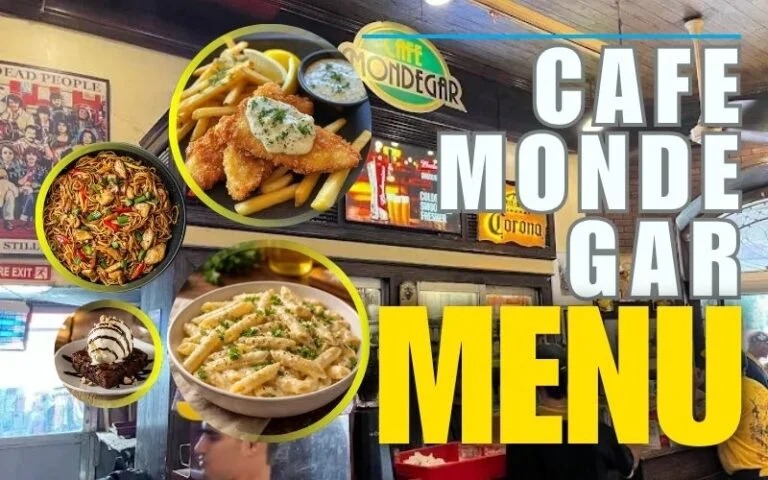
Running a small restaurant requires careful decisions about food selection and daily preparation. themenuspark.com offers practical menu inspiration for businesses that want to organize their food choices more effectively. Smaller kitchens often have limited equipment, storage space, and staff availability. Their menus should therefore focus on dishes that customers enjoy and employees can prepare consistently. Good planning can improve service without requiring an unnecessarily large selection of food.
Know Your Available Resources
Before creating a menu, understand what the kitchen can realistically handle. Check the available cooking equipment, storage facilities, preparation space, and number of employees. These details influence which dishes can be prepared safely and efficiently during busy periods.
A small cafe may not have enough space for several complicated cooking methods. Adding dishes that require special equipment can increase costs and slow down service. It makes more sense to build the menu around existing kitchen strengths.
Staff experience matters too. A recipe that requires advanced preparation may be difficult to maintain when the team changes. Choose dishes that employees can learn and prepare consistently after suitable training.
Keep The Menu Focused
A focused menu makes ordering easier and reduces unnecessary kitchen pressure. Small restaurants often benefit from offering a limited number of well-planned dishes. Customers can still enjoy variety when the available choices cover different flavours, ingredients, and meal types.
For example, a cafe might serve sandwiches, light meals, snacks, desserts, and beverages. Each category can include a few distinct choices rather than a long list of similar products. This makes the menu easier to manage and update.
A shorter menu also makes it easier for staff to explain dishes. Employees can become familiar with ingredients, portion sizes, and preparation methods. Customers usually appreciate clear answers when they ask about food choices.
Use Ingredients Efficiently
Ingredient planning has a direct effect on food costs and storage requirements. A small restaurant should understand how much of each product is needed and how quickly it will be used. Buying large quantities without a clear plan can lead to spoilage and unnecessary expense.
Some ingredients can support several dishes. Fresh vegetables might appear in sandwiches, salads, and selected main courses. Common sauces or seasonings can also serve different recipes when their use remains appropriate.
However, sharing ingredients should not make the menu repetitive. Each dish should have its own flavour and purpose. Restaurants need to check whether customers can recognize a real difference between similar options before keeping them all.
Create Reliable Recipes
A reliable recipe helps the kitchen maintain consistent taste and portion sizes. It should include ingredient quantities, preparation steps, cooking instructions, and serving details. Written recipes are particularly useful when several employees prepare the same dish.
Without clear measurements, one cook may use more sauce or seasoning than another. This can affect food costs and customer expectations. Consistency becomes easier when everyone follows the same basic preparation method.
Test each recipe before adding it permanently. Check the preparation time, final appearance, portion size, and ingredient cost. A dish should be practical for the kitchen as well as enjoyable for customers.
Set Prices Realistically
Small restaurants need to understand the full cost of serving each menu item. Ingredient expenses are important, but rent, wages, electricity, packaging, and other costs also affect the business. Pricing only by comparing nearby restaurants may create financial problems.
Calculate the approximate cost of each portion using realistic ingredient quantities. Include expected waste and changes in supplier prices where appropriate. This information provides a stronger starting point for deciding the selling price.
Customers should still receive reasonable value. A high price may be difficult to justify when the portion is small or the description does not match the meal. Clear pricing and consistent quality help create trust.
Make Ordering Convenient
Small restaurants often serve customers who want quick and straightforward service. A clear menu helps people decide without asking staff to explain every dish. Use familiar category names and descriptions that provide useful information.
Place popular food categories where customers can find them easily. Keep prices close to the correct items and avoid unnecessary design elements. If the menu is digital, make sure it works comfortably on mobile screens.
Staff should also know the menu well enough to answer basic questions. They should understand common ingredients, available substitutions, and preparation times. When they are unsure about an allergy question, they must confirm the information with the kitchen.
Plan For Busy Hours
The menu should remain manageable when several orders arrive together. Some dishes may require longer cooking times, while others can be prepared more quickly. A good menu includes options that help the kitchen maintain a reasonable service pace.
Preparation planning can reduce delays. Certain ingredients may be washed, measured, or prepared in advance according to safe food handling procedures. However, advance preparation should never compromise freshness or food safety.
Restaurants should review which dishes create bottlenecks during busy periods. If one item regularly delays several orders, its preparation method may need improvement. Removing or adjusting a complicated dish can sometimes improve the entire service.
Review Customer Feedback
Customer feedback can reveal problems that sales figures alone cannot explain. Someone may enjoy a dish but find its portion too small, while another customer may appreciate the food but dislike its presentation. These details can guide useful menu improvements.
Encourage staff to notice repeated questions and comments. If customers frequently ask what an ingredient means, the description may need clarification. If several guests request a particular option, the restaurant can consider whether it fits the business.
Changes should be based on repeated patterns rather than one isolated comment. Some customers will always prefer different flavours or portion sizes. Reviewing feedback alongside sales and kitchen costs creates a more balanced decision.
Conclusion
Small restaurants can create effective menus by understanding their resources, controlling ingredients, preparing reliable recipes, and keeping prices clear. A focused selection often works better than a complicated menu that the kitchen cannot manage consistently. Regular feedback and practical adjustments help the business improve over time. Visit themenuspark.com for more menu ideas and planning inspiration, and develop a menu that supports both customer satisfaction and everyday restaurant operations.
Read also :-