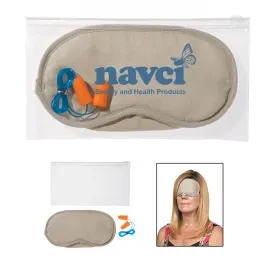
Performing music can be exciting, but repeated exposure to loud sound can place significant stress on hearing. Custom earplugs for musicians can help reduce excessive noise while allowing performers to remain focused on music, timing, and communication. Unlike basic earplugs, musician-focused protection is designed around comfort and balanced sound control.
This makes hearing protection particularly useful during rehearsals, concerts, festivals, and other environments where amplified instruments, stage monitors, speakers, and enthusiastic audiences can create intense sound levels.
Understanding Sound Exposure
Musicians encounter high sound levels from many sources. Amplifiers, drum kits, stage monitors, microphones, and loudspeakers can create an intense acoustic environment. Performers may encounter this exposure during rehearsals, sound checks, concerts, festivals, and studio sessions.
Repeated exposure can contribute to temporary ringing, muffled hearing, or difficulty understanding speech after performances. Consistent hearing protection can reduce the amount of sound reaching the ears and help musicians manage their overall exposure more responsibly.
Maintaining Sound Clarity
Traditional earplugs may make music feel muffled because they can reduce different frequencies unevenly. That can make vocals, instruments, and conversations harder to distinguish. Musician-oriented protection aims to reduce sound levels while preserving a more natural listening experience.
This balance matters on stage. Performers need to hear their own instruments, follow other musicians, monitor vocals, and respond to changes in rhythm. When sound remains clearer, hearing protection becomes easier to incorporate into regular performance routines.
Improving Comfort During Long Performances
Comfort is another important consideration. A musician may wear hearing protection throughout rehearsals or a lengthy performance, so an uncomfortable fit can become distracting. Poorly fitting protection may create pressure, loosen during movement, or encourage the wearer to remove it.
A properly fitted option can provide a more secure and comfortable experience. For frequent performers, consistency is valuable because hearing protection works best when used appropriately during excessive sound exposure.
Supporting Different Performance Environments
Every musical setting has different acoustic demands. A small rehearsal room, recording studio, outdoor festival, orchestra stage, and nightclub can produce very different sound conditions. Musicians should consider the environment, volume, exposure duration, and position relative to speakers or amplifiers.
Personalized protection can be particularly useful because musicians have different ear shapes, performance habits, and sound preferences. Hearing protection should complement the performer’s routine rather than interfere with it.
Why Fit and Maintenance Matter
Fit is only one part of effective hearing protection. Musicians should follow the manufacturer’s instructions, keep reusable products clean, and inspect them regularly for damage or changes in fit. Disposable options should be replaced according to their intended use.
It is also important to remember that hearing protection does not make extremely loud environments completely safe. Musicians should combine protective products with sensible sound management, reasonable exposure times, breaks between high-volume sessions, and appropriate stage monitoring practices.
Making Hearing Protection Part of a Routine
The most useful protection is the protection a musician will consistently wear. Keeping earplugs in an instrument case, gig bag, or rehearsal kit can make them easier to remember. Musicians can also introduce hearing protection during rehearsals so wearing it feels natural before performances.
For organizations supporting performers, providing branded ear plugs can also connect practical hearing awareness with event or team identity. When useful products are thoughtfully selected, they can support a culture where hearing protection is viewed as a normal part of professional preparation rather than an inconvenience.
Choosing Useful Promotional Products
Musicians, venues, schools, event organizers, and music organizations can consider practical products that support performers and audiences alike. Useful items tend to receive more repeated attention because they solve an everyday need rather than simply displaying a logo.
This principle is valuable when selecting the best promotional items for music festivals, concerts, community programs, or employee events. Products connected to comfort, safety, convenience, and everyday use can create stronger practical value while keeping an organization visible in relevant situations.
Conclusion
Protecting hearing is essential for musicians who regularly perform around loud sound. custom earplugs for musicians can reduce excessive noise exposure while helping preserve sound clarity and comfort. By choosing suitable protection, maintaining proper fit, and using sensible listening practices, performers can support healthier hearing throughout their musical careers.
For organizations seeking practical marketing solutions, BRAVA Marketing Promotions provides promotional products, customized merchandise, branded apparel, bags, drinkware, event giveaways, artwork services, and product sourcing support. These services help businesses develop useful branded products tailored to different campaigns, events, and audiences while simplifying the process of selecting, customizing, and managing promotional merchandise for effective brand communication.